

Studying with ADHD: practical study tips that make a difference

In this article
A quick note first: this article is not medical advice, and every pupil with ADHD is different. For personal support, the right people to go to are the treating clinician, the GP and the school's care coordinator (the zorgcoördinator in Dutch schools, who arranges extra support for pupils). What follows are practical study tips that help many pupils with ADHD or concentration problems, and that you can try today with no strings attached.
Work in short blocks with movement in between
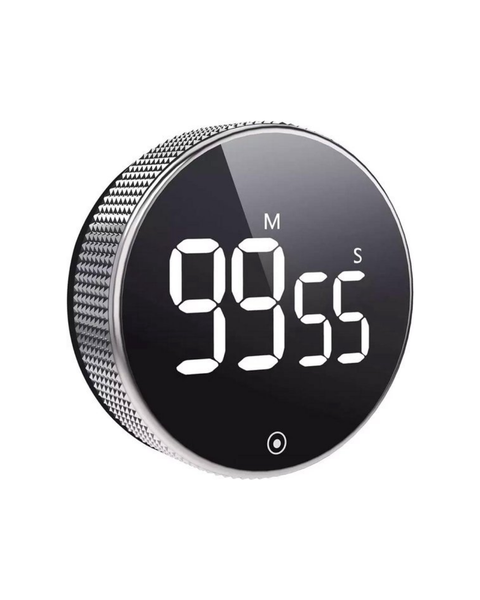
Long study sessions aren't ideal for anyone, but with ADHD they are often a recipe for frustration. Short blocks work better: fifteen to twenty minutes of focus, then a few minutes of proper movement. Up and down the stairs, ten star jumps, fetching something from the kitchen. For many pupils with ADHD, movement isn't a break from learning but the fuel for it. A timer that guards the block also takes the clock out of your head: you no longer have to work out how long is left, because the device does that for you.
Get the structure out of your head and onto paper
Remembering what needs doing, in which order, and remembering to start: those are exactly the things that take a lot of energy with ADHD. Outsource them to external structure. A planner you look at at the same time every day, a short list for each homework session (three tasks, not ten), and tasks broken into steps you can finish in a single block. Ticking things off is especially powerful here: it makes progress visible at moments when your head is telling you that you're getting nowhere.
One task in view, everything else out of sight
A desk covered in books is a desk full of choices, and every choice is a pull. Put only the things for the current task on the table; the rest goes in your bag or on the floor next to you. Phone in another room, of course. The emptier the playing field, the better the chance that your attention stays where it should.
Moving while you study is perfectly fine
Sitting still isn't a requirement for learning, however stubborn that idea is. Standing at a high table, rocking on a chair, pacing while someone tests you on vocabulary, a stress ball or chewing gum: when the body has something to do, many pupils actually find their head goes quiet. Find out what works for you, and don't make a big deal of it looking different from what a classmate does.
Make starting as small as possible
The start is often the highest hurdle. Anything that helps: laying out your things the evening before, a fixed starting time with a fixed ritual, and making the first task ridiculously small (one sum, one paragraph). Starting together helps too: a parent who sits with you for the first five minutes, or a friend doing their own homework at the same time, even over a video call if need be. Not to check up on you, but because company makes it easier to begin.
Use your strengths
ADHD often also means plenty of energy, creativity and the ability to lose yourself completely in something interesting. Put that to work. Schedule the dullest subjects in the short blocks and at the best times of day, and let the interesting subjects be the engine. And when a topic really grabs you: let that focus do its work instead of cutting it off because of the timetable.
Don't do it alone
Talk to your mentor (the teacher who looks after your class) or the care coordinator about what's possible at school: a quiet place to sit tests, agreements about writing down homework, sometimes extra time. Schools can do more than many parents think, but only if they know what's going on. And if something works well at home, share it with school so the approach is the same everywhere.
The Scholis Studieklok
A simple countdown timer that keeps track of the time so your head doesn't have to. Ideal for short study blocks with movement breaks, with no phone nearby.
€9.95
View the StudieklokRead also: Improving concentration while studying and Studying without your phone: how to make it really work