


Your child isn't using their planner: what now?

In this article
You bought a lovely planner, maybe even chose it together, and after three weeks it's lying unused at the bottom of the bag. Sound familiar? It's nothing to worry about: a planner that isn't being used is usually not a matter of unwillingness but of a habit that hasn't taken hold yet. Here's how to get it going.
Dit artikel hoort bij onze gids Leren plannen op de middelbare school. Hulp in de praktijk nodig? Bekijk de Grip, een dagplanner voor de middelbare school.
Why your child isn't using it
There is almost always one of three reasons behind it. The first: your child doesn't see the point yet, because until now a short list of homework remembered itself, and that worked fine, until suddenly it stopped working. The second: filling it in doesn't happen at the right moment, so the homework is forgotten again before it gets written down. The third: it feels like a compulsory chore from school or parents, rather than something that belongs to them. Each reason calls for a different approach, but none of them is solved by lecturing.
Let them experience the point, rather than telling them
Explaining that a planner is useful rarely works; experiencing it for themselves does. Deliberately not stepping in for a few weeks when something is forgotten (within reason: think PE kit, not a major piece of work that has to be handed in) lets a child learn their own lesson: if only I'd written that down. That moment is often more convincing than half an hour of explanation beforehand.
The one sacred habit: filling it in during the lesson
If only one rule is left, make it this one: the planner opens at the moment the teacher sets homework, not later. Waiting until break, the bike shed or home almost always means forgetting or gaps. This one habit solves most forgotten homework on its own, and is easier to keep up than a whole list of rules.
Sunday evening, five minutes, together
Build in a fixed weekly moment: every Sunday evening, go through the week together for five minutes. What's in there, which days will be busy, is there a test coming up? Keeping it short is the key; it's a look ahead, not an interrogation about the past week. After a few weeks your child often picks up this habit themselves, even without you asking.
Choose a system that fits
Not every child is the same. Some like a clear paper overview they can flick through and tick off; others swear by an app on their phone. For most pupils in the Brugklas (the first year of Dutch secondary school), paper is still the stronger choice: no notifications to distract, an overview you can take in at a glance, and a physical object you put on the table rather than one app among ten others. If your child has been getting on well with a digital planner for months, don't change it for the sake of it; choose the system that gets used over the system that sounds best on paper.
The parent's role: ask questions, don't take over
The trap for parents is filling in the planner themselves or checking it like a police officer. It works better to ask questions that get your child thinking. What needs to be finished tomorrow? Have you written everything down today? Are you ready for it? Those questions keep the responsibility with your child, while you stay involved without taking over.
Give it weeks, not days
Making a new habit stick takes an average of several weeks of consistent repetition, with ups and downs. Forgetting a few times isn't the system failing; it's part of learning. Keep reminding calmly, keep up the Sunday-evening moment, and the planner will become a habit rather than a burden.
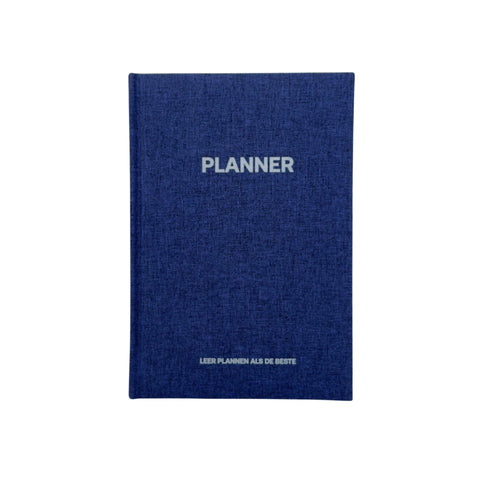
Grip Schoolagenda | Daily Planner for Secondary School
Made to actually be used: clear day and week pages, space for homework by subject, and a simple system with no fuss. Exactly what a Brugklas pupil needs.
€22.50
View the Grip SchoolagendaRead also: Why a paper school planner works better than an app and Does your child keep forgetting homework or things? Routines that really work