

Sustainable school supplies: what to really look for (and what to avoid)

In dit artikel
Buying sustainable school supplies sounds simple, but when you're in the store, you mostly see a lot of green packaging and vague promises. Eco, natural, conscious: it's everywhere, and it doesn't always mean anything. This is what you can actually look out for if you want to shop more sustainably for school, without getting tricked.
Rule 1: the most sustainable school supply is the kind that lasts
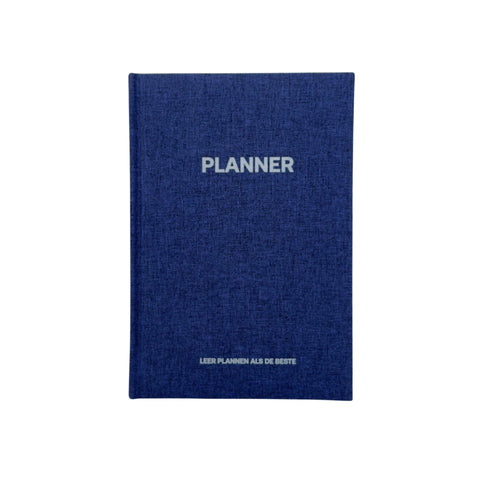
Before looking at labels, consider the biggest win: something that lasts for years and doesn't need to be replaced beats almost any eco-variant that breaks after three months. A sturdy compass, a planner that survives the school year, pens that you refill instead of throwing away. Buying quality is sustainability, even if there's no leaf on the packaging.
Rule 2: look for FSC or PEFC on paper
For notebooks, pads, and flashcards, certifications are your guide. FSC and PEFC are independent labels for responsible forest management; if one of those logos is on the notebook, you know the paper comes from controlled forests. That is a concrete, verifiable fact, and therefore something very different from a green cover with a tree on it.
Rule 3: recycled plastic really exists, provided it's stated
More and more pens and highlighters are being made with recycled plastic, and serious brands include a concrete percentage or certification. The STABILO GREEN line is a well-known example of this: the same marker as the original, but with recycled material as the starting point. The rule of thumb: a claim accompanied by a number or certification is trustworthy; the word "eco" without further explanation is just marketing.
Rule 4: refillable beats disposable
Any product that you can refill instead of throwing away saves waste and money in the long run. Think of a mechanical pencil instead of wooden pencils, fountain pens or pens with replaceable refills, and highlighters with refill ink (the classic BOSS, for example, is refillable, which few people know). Buy something good once and refill it for years: sustainability doesn't get simpler than that.
Rule 5: second-hand and passing things on count double
The most sustainable school supply is the one that already exists. Graphic calculators are the prime example: graduating students get rid of them in droves, and they easily last ten years. Dictionaries, atlases, and compasses can also effortlessly go a round to a younger sibling or Marktplaats. Ask around in the family before you buy new; September is the season when attics are full of school supplies.
Rule 6: be wary of vague buzzwords
Finally, the anti-checklist. Be critical of terms like eco-friendly, natural, or green without a label, percentage, or explanation. A responsible choice can always be made concrete: this paper is FSC-certified, this pen contains recycled plastic, this product is refillable. If the packaging can't do that, then you are simply buying a normal product with a green veneer, which is fine, as long as you know it.
STABILO GREEN BOSS Highlighters — 8 Pieces
The trusted BOSS highlighter, made with recycled plastic and refillable: two concrete sustainable choices in one marker, without compromising on quality.
€8.95
View the GREEN BOSSRead also: What should be in your pencil case? and What does a high school year cost?